Founded by researchers at Stanford
You have been
let down by
the system.
So have the researchers trying to help you. The Lancet has recognized it: long COVID research is drowning in underfunding. We are researchers at Stanford and want to help, but we lack funding. Your free email signup may change that.
Investor mood

Skeptical
“Is long COVID even real?”
Skeptical
0
Intrigued
500
Ecstatic
5,000+
I'm interested to participate in the research and would be willing to pay 450 USD out of pocket for an objective long COVID test (while you work on reimbursement).
Free to join. No payment, no commitment.
Your email stays private.
The field lacks the diagnostic tools needed to stratify people with long COVID for clinical trials. Without stratification, treatment trials struggle. Without trials, people wait for answers.
We are building those tools, as a research program first, with clinical validation through partner clinics, and a long-term goal of a regulated diagnostic.
The only way this gets made is if we spin out and raise capital, and the only way we raise capital is if investors see real demand. That's where your free signup comes in.
We've submitted our application to Y Combinator, a startup accelerator, and are now starting our broader fundraise. We need every signup we can get: each one strengthens the demand signal we show investors, and every share is a multiplier.
Where we are
YC application submitted
Awaiting response.
Fundraise underway
Talking to investors now — signups are the signal.
Investor mood
Skeptical
“Is long COVID even real?”
Skeptical
0
Intrigued
500
Ecstatic
5,000+
I'm interested to participate in the research and would be willing to pay 450 USD out of pocket for an objective long COVID test (while you work on reimbursement).
Free to join. No payment, no commitment.
Your email stays private.
Muno Biotech is a research-stage company founded by researchers from Stanford's Snyder Lab, studying the biology of long COVID. Working with clinics that care for people with long COVID, we are running a proteome-wide autoantibody study to understand what distinguishes subgroups within the community — and to lay the scientific groundwork for the diagnostic tools the field is missing.
Muno Biotech is developing two research assays in parallel:
1. A long COVID subtyping blood test.
Uses a panel of 250+ autoantigens to stratify people with long COVID into biological subtypes. Different subtypes likely need different treatments, and until now, clinicians have had no way to tell them apart.
2. A viral persistence blood test.
Analyzes your B-cells (your immune system's antibody-producing cells) with a machine learning algorithm we developed. It detects whether your immune system is still actively producing antibodies against SARS-CoV-2 Spike: a direct signal of viral persistence.
Both viral persistence and autoimmunity are now among the leading hypotheses for what drives long COVID. But here's what the research community keeps pointing out: without a diagnostic, pharma won't start clinical trials. Without clinical trials, no treatments get developed. This is the bottleneck the VIPER whitepaper laid out in detail.
Here's what we're actually asking:
To keep developing these tests, we need venture capital. We've applied to Y Combinator and are now starting our broader fundraise. If we can show investors real interest from the long COVID community, our chances of raising capital increase.
Every email you add is a data point investors can't ignore. Every share in a long COVID community, every post on Reddit, every message to your support group matters now, more than it will in a month.
Sign up. Share this. Help us, help you.
Signed,
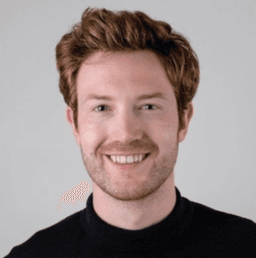

Jo Teichmann & Linda Lan, PhD
Co-founders, Muno Biotech · Stanford researchers
What the test actually does
250+ autoantigens,
5 candidate subtypes.
Long COVID is not one disease. Different people have different biological drivers, and that is likely why one-size-fits-all trials have struggled. Our intended panel measures autoantibodies against 250+ curated human proteins and aims to map the signal onto five symptom-based subtypes: neurocognitive, cardiorespiratory, GI, musculoskeletal, and sensory.

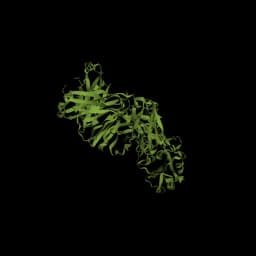
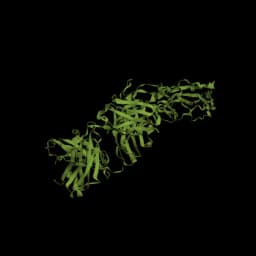
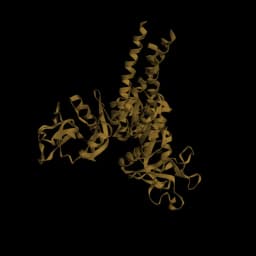
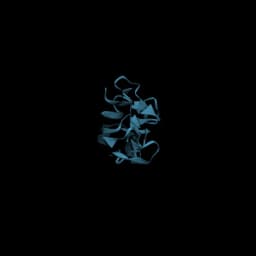
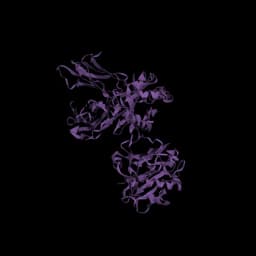
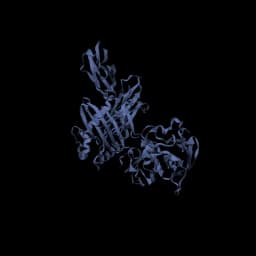


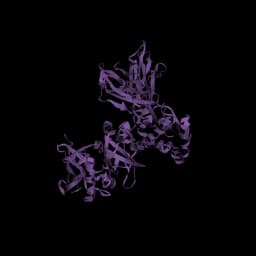
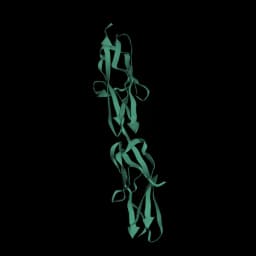


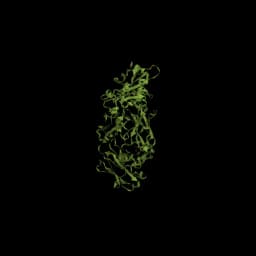
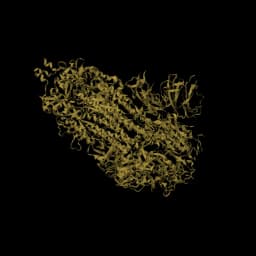
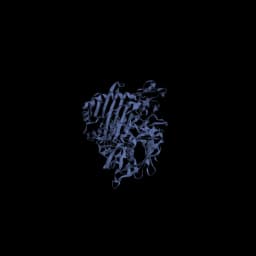
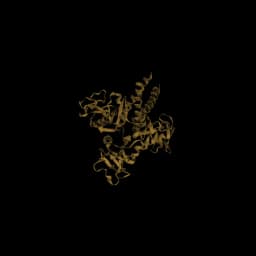
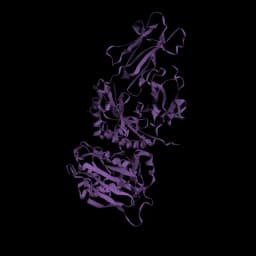




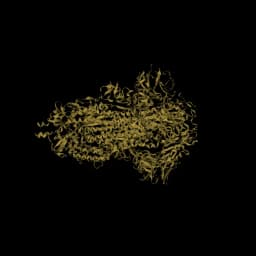
Autoantibody panel · spinning structures are autoantibody-target complexes
How we picked the 250+
Every target is backed by peer-reviewed evidence. We screened the published long COVID autoantibody literature across OpenAlex, PubMed, and Semantic Scholar, pulled out the studies that actually measure autoantigens in long COVID cohorts, and combined those candidates with our own preliminary findings onto one panel.
Preliminary findings
Preliminary observations
in our first 78 samples.
Early work at the Snyder Lab used the HuProt™ human proteome array, which measures over 17,000 full-length human proteins, to profile blood from 53 people with long COVID, 11 non-long COVID controls (people who had COVID and recovered), and 14 pre-pandemic healthy donors.
Both people with long COVID and recovered controls showed roughly 2 to 3× as many positive autoantibody targets as pre-pandemic donors (p<0.001), consistent with post-infection immune remodeling in anyone who had COVID, regardless of whether symptoms resolved.
Within the long COVID group, we observed patterns suggestive of elevated signal on axes including neurovascular, interferon, and neuronal pathways, directions that align with mechanisms already reported in the long COVID literature.
The cohort is still small, which is exactly why we are raising capital to validate the results. Muno Biotech is a research-stage company. This page describes a research program, not a diagnostic product. No claims are made about diagnostic performance, clinical utility, or medical value. Nothing on this page constitutes medical advice.
Still with us?
Add your name.
Move the mood.
Investor mood
Skeptical
“Is long COVID even real?”
Skeptical
0
Intrigued
500
Ecstatic
5,000+
I'm interested to participate in the research and would be willing to pay 450 USD out of pocket for an objective long COVID test (while you work on reimbursement).
Free to join. No payment, no commitment.
Your email stays private.